HEMA-Free Gel Nails at Home: The Salon-Quality Method
HEMA-free gel nails at home: what HEMA is, the colors and tools worth buying, and the step-by-step prep that makes a DIY gel manicure last three weeks.
By Lola’s Mom · September 9, 2026 · 10 min read
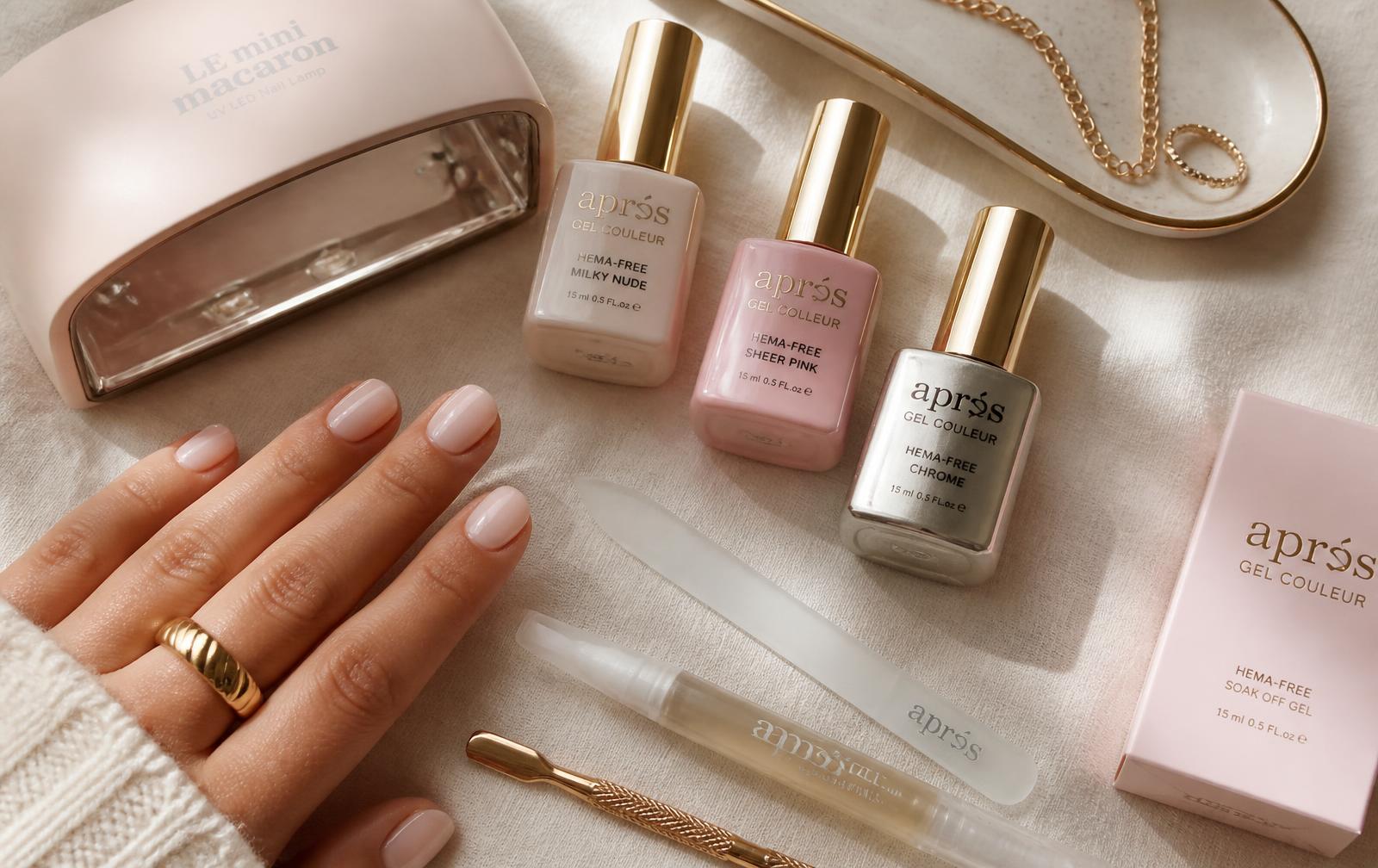
Short version: pick a HEMA-free (ideally also TPO-free) base, color and top coat, prep bone-dry nails, cap every free edge, apply thin coats, and cure each one fully in a 48W+ LED lamp. That is the whole difference between a DIY manicure that lifts on day four and one that still looks salon-fresh on day twenty.
I did gel at home for two years before I worked out why the skin around my thumbs kept getting itchy and papery. It was not the lamp and it was not over-filing. It was HEMA — the tiny monomer in almost every cheap gel kit, and the single most common cause of nail-product allergy. HEMA-free and TPO-free formulas have gone from niche to mainstream, pushed along by updated EU guidance and shoppers who read ingredient lists now.
So this is the rebuilt version of my kitchen-table manicure: gentler chemistry, the shades that are actually trending right now, and the prep steps that make gel behave. Everything here is on my Amazon shelf, and my nail tools edit lives on the Soft Life Shop if you would rather add it all to a bag at once.
What is HEMA-free gel polish and is it better?
HEMA (hydroxyethyl methacrylate) is the small monomer in most gel polish that most commonly triggers allergic contact dermatitis — itchy, peeling skin around the nail. HEMA-free gels swap it for larger monomers that are far less likely to penetrate skin. They cure and wear just as long; they simply need cleaner prep and a full cure.
What HEMA actually is (and why your fingers itch)
HEMA stands for hydroxyethyl methacrylate. It is a very small monomer, which is exactly why brands love it — small molecules flow beautifully, self-level and grip the nail plate hard. The problem is that small molecules also travel into skin. Once your immune system decides it does not like HEMA, that reaction is permanent: itching, redness, tiny blisters and peeling skin along the cuticle line, sometimes nails lifting off the bed in bad cases.
HEMA-free gels replace it with bigger monomers and oligomers that sit on the nail instead of soaking into skin. You may also see TPO-free on the label — TPO is a photoinitiator (the ingredient that makes gel cure under light) that the EU has restricted, so most reputable brands have reformulated. If you are shopping in 2026, dual-free (HEMA-free and TPO-free) is the standard to aim for.
One honest caveat: HEMA-free is lower risk, not no risk. Uncured gel touching skin can still sensitize you. Wipe spills off skin immediately, keep the brush off the cuticle, and cure fully every single layer.
The trending shades right now — and the HEMA-free versions
What people are actually searching for and wearing this season, in order of how often it shows up in my saves:
Milky nude and sheer jelly — the quiet-luxury Japanese-salon look. Two to three sheer coats over a clear base, never one thick opaque coat. This is the one that photographs expensive.
Chrome and glazed — chrome powder buffed over a dark or milky base, then sealed with top coat. A pot of powder is a few dollars and turns any color into a new manicure.
Cherry mocha and espresso — the deep red-brown that replaced classic red. Flattering on every skin tone, especially warm and deep undertones.
Butter yellow and soft pistachio — the pastel that carried over from spring and refuses to leave.
Magnetic cat-eye — a magnet drags shimmer into a velvet stripe while the gel is wet. Genuinely the most impressive-looking DIY effect for the least skill.
Micro-French and unexpected French — thin tips in cherry, chocolate or chrome instead of white. Use a striper brush, not the polish brush.
The kit: what to buy once, and what not to bother with
You need six things and none of them are expensive: a HEMA-free base coat, a HEMA-free top coat, your colors, a 48W or higher LED lamp, a glass file plus a cuticle pusher, and lint-free wipes with 91% isopropyl alcohol. That is it.
Skip the all-in-one $20 mega-kits with 60 unlabeled colors — those are exactly where HEMA hides, and the included lamps are often underpowered, which under-cures gel and makes it dent. Do upgrade the lamp before you upgrade anything else; a proper lamp fixes more problems than expensive polish does. An e-file is optional but cuts removal from twenty minutes to five, and cuticle oil is the cheapest thing on the list and the one that keeps your hands looking done between manicures.
Step by step: the twelve-minute salon manicure
1. Dry prep first. Do not soak. Warm water swells the nail plate and gel applied to a swollen nail lifts as it dries out. Push cuticles back with a rubber-tipped or steel pusher, then remove only the thin translucent film (the pterygium) stuck to the plate — that film is what most lifting hides under.
2. Shape with a glass file in one direction, then lightly buff the shine off the whole plate. You want matte, not thin. Ten seconds per nail.
3. Dust and dehydrate. Brush away dust, then wipe every nail with 91% alcohol on a lint-free wipe. After this point your nails touch nothing — no face, no hair, no hand cream.
4. Base coat, thin, capped. One thin layer, then swipe the brush across the free edge to seal it. Cure 60 seconds. Leave a hairline gap at the cuticle: gel touching skin is what causes both lifting and sensitization.
5. Two thin color coats, curing each one fully. Thin coats are non-negotiable — thick gel wrinkles, dents and stays soft underneath. Sheer milky shades may need three.
6. Top coat, cure 60–90 seconds, wipe the tacky layer with alcohol if your top coat is not no-wipe, then finish with cuticle oil. Chrome or cat-eye effects go on after color and get their own top coat.
Why DIY gel lifts — the five real causes
Almost every failure traces back to one of these: leftover cuticle film on the nail plate, skin oils or hand cream after the alcohol wipe, coats applied too thick, an unsealed free edge, or an under-powered lamp. Fix those five and three weeks of wear is normal, not lucky.
One more: if your nails naturally flex a lot or you are hard on your hands, use a rubber base coat. It is thicker and slightly cushioned, and it holds through typing, dishes and gym bars far better than a standard base.
Removal that does not wreck your nails
Never peel. Peeling takes layers of nail plate with it and that is the damage people blame on gel. File the shiny top coat off with a 180-grit file (or an e-file on low, light hand), soak cotton in pure acetone, wrap in foil for 10–15 minutes, then push the softened gel off gently. If it resists, re-wrap for five more minutes rather than scraping.
Afterwards: buff very lightly, oil the cuticles, and if your nails feel bendy give them a week in a strengthening base coat. Gel does not need to be worn continuously to look good.
The cost math, since that is the whole point
A salon gel manicure is $50–$75 plus tip every two to three weeks — call it $1,200 a year. A HEMA-free setup runs roughly $90–$130 all in, and each refill color is $8–$12. You break even before the second month, and you get to do your nails at 11pm in pyjamas, which is the actual luxury.
Shop this story
Amazon · Sephora · Ulta · affiliateEvery pick below links straight to Amazon, with Sephora and Ulta as backups if something's sold out.
Beetles
HEMA-Free & TPO-Free Gel Base and Top Coat Set
“The two bottles that matter most. Rubber base for flex, glossy no-wipe top for shine.”
~$17
Affiliate link — paid link
Modelones
HEMA-Free Milky Nude & Sheer Jelly Gel Set
“The quiet-luxury shades. Three sheer coats, never one thick one.”
~$15
Affiliate link — paid link
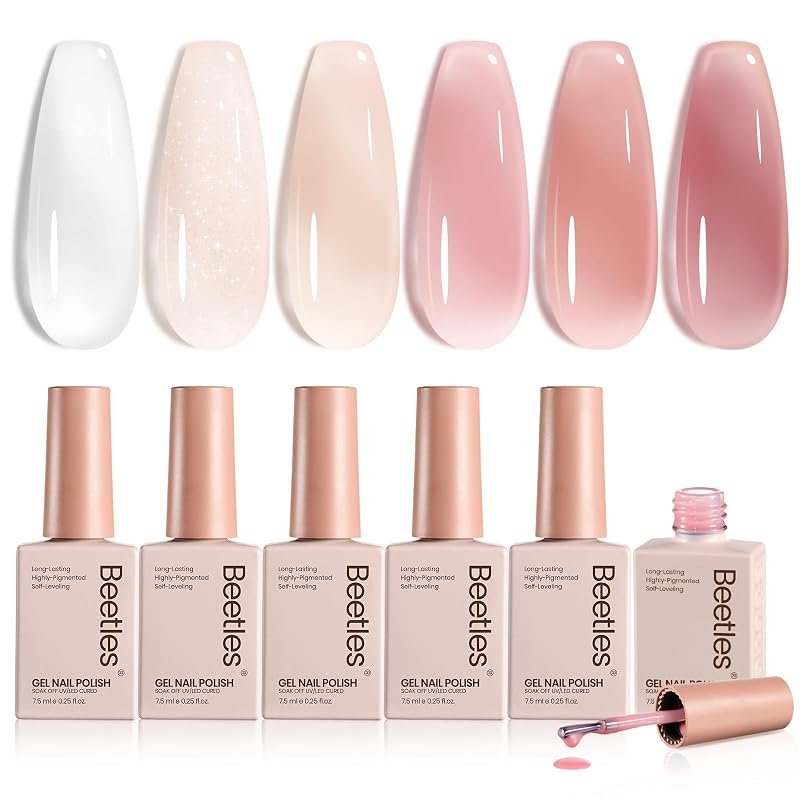
Beetles
Whispers of Love Jelly Gel Set, 6 Milky Shades
“The set on my shelf for milky pinks and whites — check the HEMA-free label on the listing.”
~$11
Affiliate link — paid link
Amazon find
HEMA-Free Cherry Mocha & Espresso Gel Duo
“The deep red-brown that replaced classic red this year. One coat is enough.”
~$12
Affiliate link — paid link
Amazon find
Chrome Nail Powder Set with Applicators
“Buff over milky or espresso gel for the glazed-donut and mirror-chrome looks.”
~$9
Affiliate link — paid link
Amazon find
Magnetic Cat-Eye Gel Polish with Magnet
“The velvet stripe effect. Most impressive DIY result for the least skill.”
~$10
Affiliate link — paid link
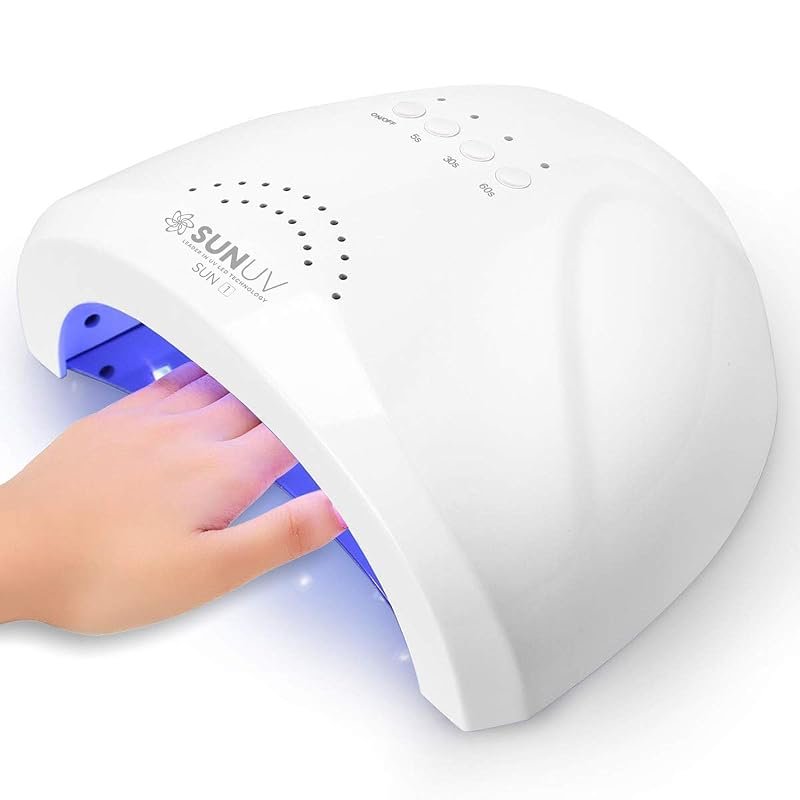
SUNUV
UV LED Nail Lamp, 48W
“Upgrade this before anything else — full cures are what stop denting and lifting.”
~$19
Affiliate link — paid link
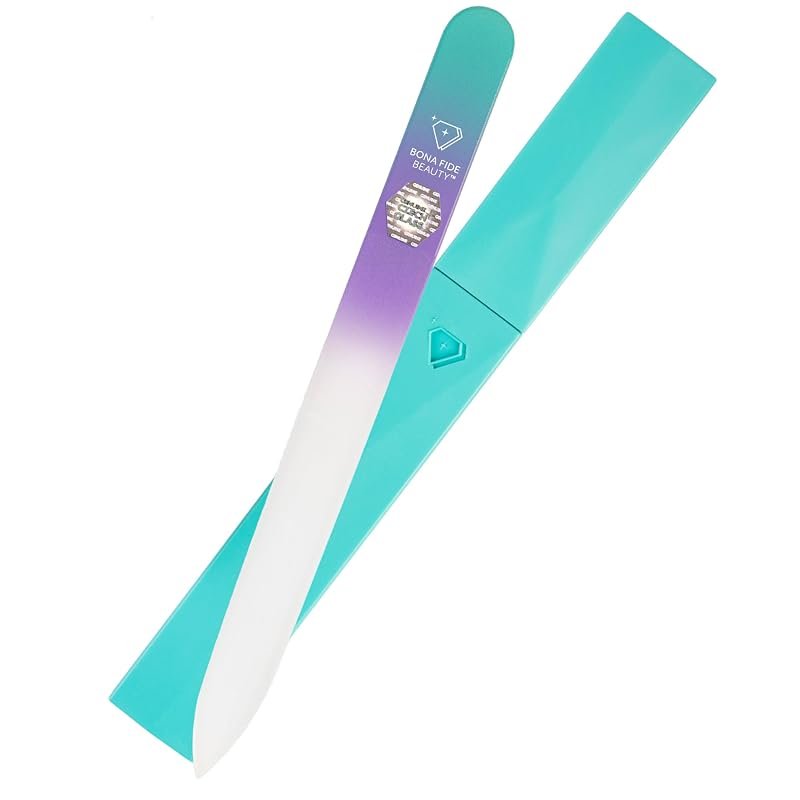
Bona Fide Beauty
Czech Glass Nail File with Case
“Seals the nail edge as it files, so nails stop peeling. Lasts years.”
~$9
Affiliate link — paid link
Makartt
Cordless Nail Drill for Beginners, 35000 RPM
“Optional, but removal drops from twenty minutes to five. Low speed, light hand.”
~$49
Affiliate link — paid link
Amazon find
Lint-Free Wipes + 91% Isopropyl Alcohol Prep Set
“The unglamorous step that decides whether your manicure survives week two.”
~$10
Affiliate link — paid link
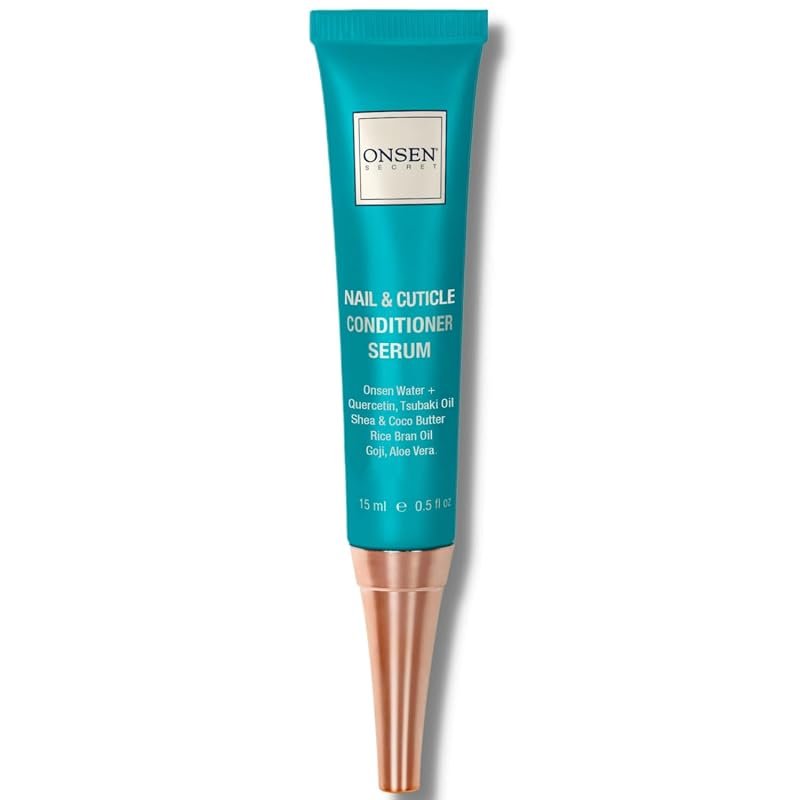
Onsen
Nail & Cuticle Cream with Tsubaki Oil
“Daily cuticle care keeps gel edges sealed and hands looking cared for.”
~$9
Affiliate link — paid link
Questions readers ask
What does HEMA-free mean in gel nail polish?
It means the formula contains no hydroxyethyl methacrylate, the small monomer most often responsible for gel-polish allergies. HEMA-free gels use larger monomers that are far less likely to penetrate skin, so they are gentler on the skin around the nail while curing and wearing the same way.
Is HEMA-free gel polish less durable?
No, not in practice. Good HEMA-free gels wear two to three weeks like any professional gel. They are slightly less self-levelling, so they reward thin coats and clean, dry prep — and they need a full cure in a 48W or stronger LED lamp.
What is the difference between HEMA-free and TPO-free?
HEMA is a monomer linked to allergic reactions; TPO is a photoinitiator that the EU has restricted. They are separate ingredients, so look for both claims. Dual-free (HEMA-free and TPO-free) is the 2026 standard for at-home gel.
Why do my at-home gel nails lift after a few days?
Five causes: leftover cuticle film on the nail plate, oils or hand cream after the alcohol wipe, coats applied too thick, an unsealed free edge, or an under-powered lamp. Fix all five and two to three weeks of wear is normal.
What nail colors are trending right now?
Milky nude and sheer jelly, chrome and glazed finishes, cherry mocha and espresso browns, butter yellow, and magnetic cat-eye. Micro-French tips in chocolate or chrome instead of white are the biggest shape-and-detail trend.
How much does a HEMA-free gel setup cost versus a salon?
Roughly $90–$130 for the lamp, base, top coat, colors and prep tools, plus $8–$12 per new color. A salon gel manicure is $50–$75 plus tip every two to three weeks, so you break even inside two months.
Can you still get an allergic reaction to HEMA-free gel?
It is lower risk, not zero risk. Any uncured gel touching skin can sensitize you, so keep a hairline gap at the cuticle, wipe spills off skin right away, and cure every layer fully.
The full bundle
Shop the look
All 12 pieces in one list — tap any line to shop it. Prices are estimates and change often on Amazon.
Total estimated cost: $178
Base + Top · 1
$17Color · 3
$38Effects · 2
$19Tools · 3
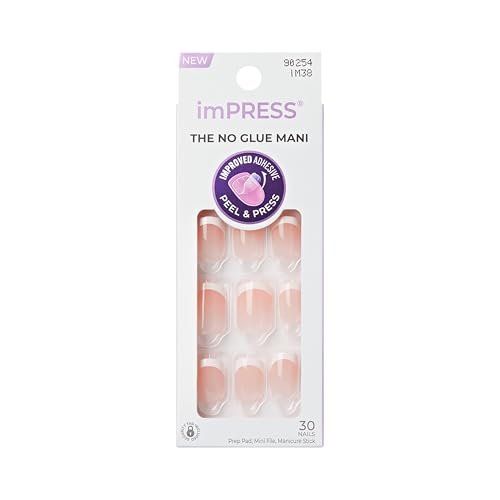
$77Press-on · 1
$8FLEUR45
Some chapters end quietly. Others become the beginning of your rebirth.
Launching October 31, 2026
Keep reading
All posts →- How-to

The Sudanese Glow: A Skincare Routine for Deep, Sun-Kissed Skin
Sandalwood paste, shea butter, dukhan. The Sudanese glow ritual is centuries old — here's how to fold it into a modern routine.
- How-to

Khaleeji Eye Makeup: The Cat-Eye Tutorial That Lasts 14 Hours
Sharp, lifted, unapologetic. The Khaleeji cat-eye is its own art form — here's how to execute it.
- How-to
How to Layer Oud Perfume Like a Khaleeji (Without Smelling Like a Mosque)
Layering oud is how Khaleeji women build a signature scent. Here's the formula — and the pairings to avoid.
Editor recommends
Some links are affiliate links — they cost you nothing extra.