Arabic Perfume 101: A Beginner's Guide to Oud, Attars & Mukhallat
What is Arabic perfume? Notes, history, the difference between oud, attar, and mukhallat, plus 8 bottles to start with — from $25 to investment.
By Lola’s Mom · April 26, 2026 · Updated October 2, 2026 · 10 min read
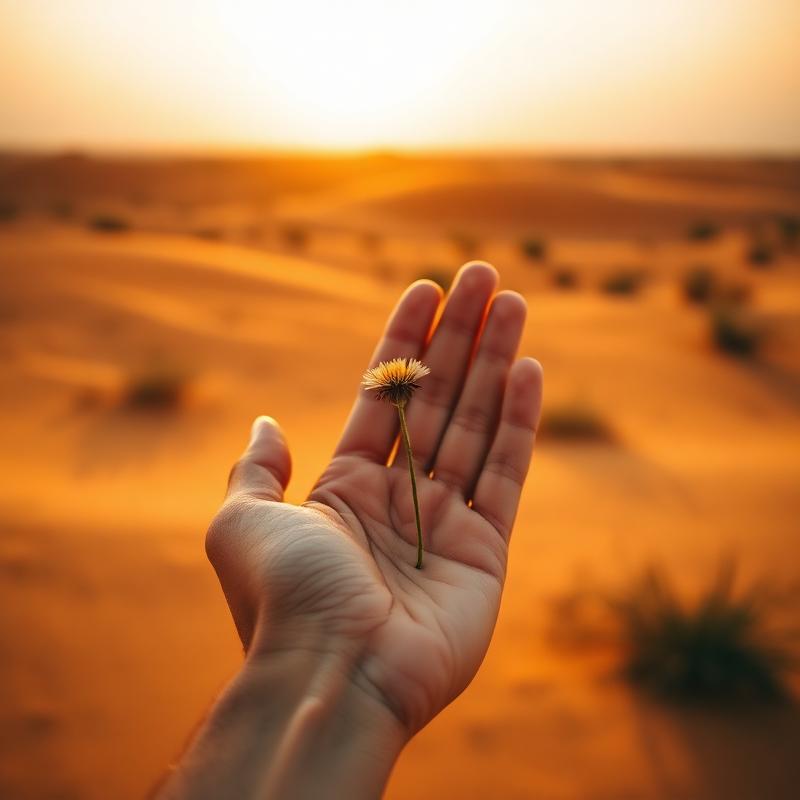
Arabic perfume is having a moment in Western beauty circles — but the tradition has been quietly perfecting itself for over 1,000 years. Whether you grew up around bakhoor on Friday mornings or you've just discovered Lattafa on TikTok, this is the primer.
Oud, attar, mukhallat — what they actually mean
Oud (also written 'oudh' or 'agarwood') is the resin produced by agar trees when infected with a specific mold. It's one of the most expensive raw materials in perfumery — wild Cambodian oud can sell for more than gold by weight.
Attar (or 'ittar') is an oil-based perfume, traditionally distilled into a sandalwood oil base. No alcohol. Long-lasting on skin, applied in tiny amounts.
Mukhallat means 'mixture' — a blended composition, usually oil-based, combining oud with rose, saffron, amber, musk, and florals. Most 'Arabic perfumes' you can buy are mukhallats.
Why Arabic perfumes last longer
Two reasons. First, the oil base (versus alcohol-and-water in Western EDPs) doesn't evaporate as quickly. Second, the note structure favors heavy base notes — oud, amber, musk, resins — which are the molecules most resistant to evaporation.
A good attar applied to pulse points in the morning can still be detectable on you at midnight.
Where to start (under $40)
If you're new to Arabic perfume, start with Lattafa or Swiss Arabian — both are widely available on Amazon, both are legitimate Gulf perfume houses, both deliver above their price point.
Best entry bottles: Lattafa Khamrah (gourmand), Lattafa Yara (florals), Swiss Arabian Shaghaf Oud (oud + rose), Ajmal Dahn Al Oudh Moattaq (pure oud for the curious).
Investment bottles ($100+)
Once you know what you like, Amouage (Omani), Arabian Oud, and Abdul Samad Al Qurashi are the heritage houses worth saving for. Amouage Interlude Woman remains one of the most beautifully constructed perfumes ever made, in my opinion.
Shop this story
Amazon · affiliate linksPrices and availability change, so tap through to check today’s price on Amazon.
Questions readers ask
What's the difference between Arabic perfume and Western perfume?
Arabic perfume traditions lean on heavier base notes (oud, amber, musk), oil-based formulations, and longer wear time. Western perfumes typically use alcohol bases and lighter top-note structures. Modern Gulf houses like Lattafa blend both approaches.
Are Arabic perfumes safe to wear?
Yes — reputable houses (Lattafa, Swiss Arabian, Ajmal, Amouage) follow international IFRA safety standards. The strong scent is concentration, not a safety issue.
Do Arabic perfumes have alcohol?
Some do, some don't. Eau de parfums from Lattafa, Swiss Arabian and similar brands contain alcohol like Western perfumes. Traditional attars and dehn al ouds are oil-based and alcohol-free.
FLEUR45
Some chapters end quietly. Others become the beginning of your rebirth.
Launching October 31, 2026
Keep reading
All posts →- Reviews
The 9 Best Lattafa Perfumes Worth the Hype (2026 Guide)
Khamrah is the gateway. But once you fall down the Lattafa rabbit hole, there are nine bottles that earn the shelf space.
- Reviews
Lattafa Khamrah Review: Is It Really the Best Dessert Perfume of the Decade?
It smells like Eid morning in a bottle. Here's what to expect — and which Khamrah variant earns the shelf space.
- Reviews
Arabian Oud Perfume: The Buyer's Guide to the World's Most Expensive Note
Why real oud costs more than gold, how to tell legit from fake, and the bottles worth the price tag (and the ones that aren't).
Some links are affiliate links — they cost you nothing extra.