Human Hair Extensions & Lace Front Wigs: The Labor Day Sale Edit
Labor Day sale on human hair extensions and lace front wigs: how to pick density, length, lace type and cap size — plus the long-hair styles selling out fastest.
By Lola’s Mom · September 7, 2026 · 8 min read
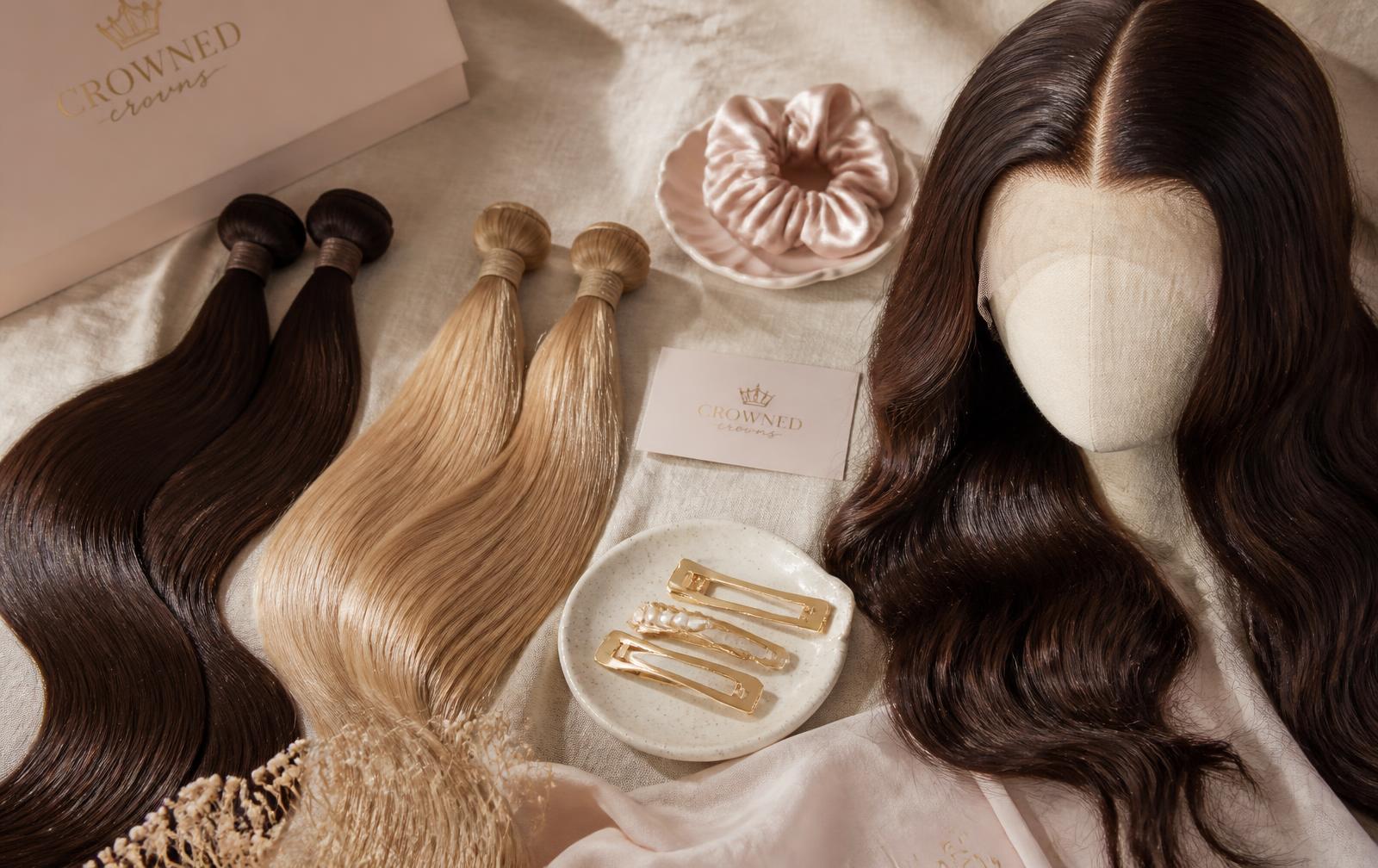
Labor Day weekend is the one time of year long human hair is actually affordable, and it never lasts. The 26-, 30- and 32-inch lace fronts are always the first to sell out because they cost the most to make and the fewest units exist — so if you have been saving a wig to your cart since spring, this is the window. You can shop the Labor Day sale here while the long-hair collection is still stocked.
But I am not going to just yell SALE at you. Below is everything I wish someone had told me before my first lace front: what density actually means, why HD lace matters more than the price tag, how to measure your cap size in ninety seconds, and how to wash extensions so they last a year instead of a month. Read it, then shop with a plan.
What should I look for in a human hair lace front wig?
Choose 100% virgin human hair, HD or transparent lace, a 13x4 or 13x6 frontal for versatile parting, 150–180% density for a natural look, and a cap size matched to your head measurement. Buy during a sale — long lengths discount the most.
The Labor Day sale, plainly: what to grab before it ends
The long-hair lace front collection is where the discounts land hardest, because long lengths carry the biggest markup the rest of the year. Historically the pieces that disappear first are 28–32 inch body wave, straight 13x6 HD frontals, and deep wave in natural black — the exact three things people search for the week after a holiday, when they are full price again.
My rule for sale shopping: buy the length you actually want, not one size shorter to save $30. You can always cut a wig down. You cannot add four inches later, and re-buying at full price costs more than the difference. If you are torn between two textures, pick the one closest to your natural hair so your leave-out blends without heat.
Sale timing matters more than coupon stacking. Stock, not the percentage off, is the real constraint — shop the Labor Day sale here early in the weekend rather than on the last night.
Human hair vs. synthetic: why the price gap is real
100% human hair — usually labeled virgin or Remy — can be bleached, toned, curled, flat-ironed and installed for a year or longer. Synthetic fiber cannot take heat above low settings, shines unnaturally in daylight photos, and starts to tangle at the nape within weeks. If you wear hair daily, human hair is cheaper per wear even at four times the sticker price.
Remy means the cuticles all run the same direction, which is the entire reason a wig stays smooth instead of matting. Non-Remy human hair is real hair with the cuticle stripped and silicone added — it looks perfect for three washes, then turns rough. Read the product description, not just the title.
A quick honesty check on grades: 8A, 10A, 12A labels are marketing, not a regulated standard. Density, lace type, and whether the hair is double drawn tell you far more about what you are actually getting.
Lace front, 13x4, 13x6, HD lace — decoded
A lace front means the hairline section is hand-tied onto sheer lace so it looks like hair growing out of your scalp. 13x4 gives you 13 inches across and 4 inches back — enough for a middle or side part. 13x6 gives you six inches of parting space, so you can do a deep side part, pull hair back off the face, or wear a half-up style without exposing the cap.
A full frontal or 360 lace lets you wear high ponytails. A 4x4 or 5x5 closure is cheaper and faster to install but keeps you in one parting position. Beginners often do better with a closure — less lace to melt, fewer visible mistakes.
HD (or transparent) lace is thinner and disappears against more skin tones with less bleaching of knots. If you have ever seen a gray shadow at someone's hairline in photos, that was thick lace. Spending up on HD lace does more for realism than spending up on length.
Density and length: the two numbers people get wrong
Density is how much hair is on the cap. 130% looks light and natural, 150% is the everyday sweet spot, 180% reads full and glamorous, and 200%+ is stage or bridal territory. Long lengths need more density to avoid looking stringy at the ends — for 26 inches and above, do not go below 150%.
Length is measured stretched, from the cap to the ends, so a curly 24-inch wig will sit noticeably shorter on you than a straight 24-inch. Add roughly four inches to your target when buying wave or curl patterns.
Double drawn hair keeps thickness all the way to the tips instead of tapering. It costs more, and it is the single upgrade that makes long hair look expensive in video.
Measure your cap size in ninety seconds
Take a soft tape around your head at the hairline, above the ears, around the nape — most people land at 21.5 to 22.5 inches, which is a standard medium cap. Under 21 inches is small, over 23 is large. Then measure front hairline to nape, and ear to ear over the crown.
If you are between sizes, size up and use the adjustable straps. A cap that is too tight causes tension at your edges, and edges do not grow back quickly.
Glueless wigs with elastic bands and pre-plucked hairlines are the easiest entry point: no adhesive, no scalp reaction, and you can take it off at the end of a long day.
Extensions instead: clip-ins, tape-ins, wefts
Clip-in human hair extensions are the lowest commitment — in ten minutes, out in two, no salon appointment. A 7-piece 120g set adds length; 160–200g adds real volume for thick hair. Match the weight to your own density or the clips will show.
Tape-ins lie flattest under fine hair and last six to eight weeks between moves, but need a stylist. Sew-in bundles give the most length for the money; buy three bundles for 18–22 inches and four for 24 inches and above, plus a matching closure.
Whatever you choose, buy one shade darker than you think and tone down rather than lifting. Bleaching extensions at home is how hair gets crunchy.
How to make it last a year, not a month
Wash every 8–10 wears with a sulfate-free shampoo, downward strokes only, never scrubbing in circles. Condition mid-shaft to ends, rinse cool, then air dry on a wig stand. Heat is the enemy of longevity.
Detangle dry with a wide-tooth comb from the ends upward before every wash, and sleep with it off — on a stand, or in a satin bag. Friction at the nape is what ruins wigs first.
Once a month, a light leave-in or argan oil on the mid-lengths only. Oil at the roots of a lace piece clogs the knots and loosens the hand-tied strands.
Ready? The sale is the cheapest this hair gets
Pick your length, your lace, and your density from the guide above, then shop the Labor Day sale here. Long-hair inventory is finite and Labor Day pricing goes back up when the weekend closes — the 30-inch pieces genuinely do not survive the last day.
If you buy a piece from the sale, tell me what you picked. I will help you plan the install so it blends the first time.
Questions readers ask
When does the Labor Day hair extension sale end?
Labor Day promotions run through the holiday weekend and pricing returns to normal once it closes. Long lengths — 28 to 32 inch lace fronts — sell out before the sale technically ends, so shop early rather than on the final night.
Is a 13x4 or 13x6 lace front better?
13x6 gives six inches of parting space, so you can do deep side parts and pull hair back; 13x4 is cheaper and fine if you always wear a middle or slight side part. For versatility, 13x6 is worth the upgrade.
What density should I choose for long hair?
150% for a natural everyday look and 180% for full, glam volume. For any length over 26 inches, stay at 150% or above so the ends do not look stringy.
How many bundles do I need for a sew-in?
Three bundles cover 18 to 22 inches, four bundles for 24 inches and longer, plus a matching closure or frontal. Longer hair needs more because the same weight is spread over more length.
Can I bleach or dye human hair extensions?
Virgin human hair can be lifted and toned, but it has already been processed once. Buy a shade darker than your target and tone down instead of bleaching up — it keeps the cuticle intact and the hair soft.
How long do human hair lace front wigs last?
With sulfate-free washes every 8 to 10 wears, air drying on a stand, and storage in satin, a good human hair unit lasts 8 to 12 months of daily wear, and longer if you rotate two pieces.
Are glueless wigs good for beginners?
Yes. Glueless units with adjustable bands and pre-plucked hairlines need no adhesive, cause no scalp reactions, and can be removed at night — the easiest first lace front.
FLEUR45
Some chapters end quietly. Others become the beginning of your rebirth.
Launching October 31, 2026
Keep reading
All posts →- Beauty Shelf

The Vanilla Soft Life Ritual: Affordable Luxury Amazon Must-Haves for a Feminine Glow-Up
Soft skin, glossy hair, vanilla scent, cream sheets, and dainty gold — a step-by-step affordable luxury ritual from the shower to the bedroom.
- Beauty Shelf
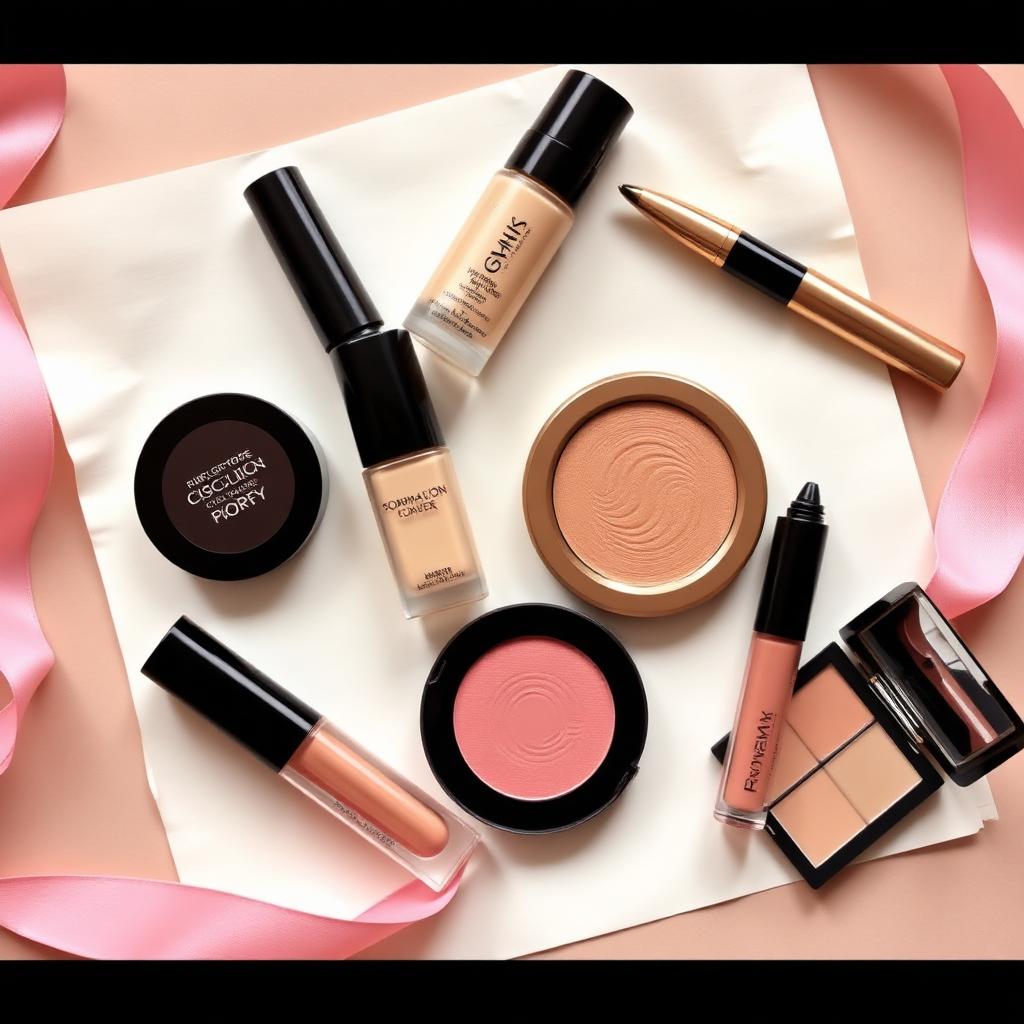
Full Face Drugstore Makeup for Light Skin (2026 Amazon Edit)
Fair, pink-undertone, sun-shy? This is the full-face drugstore edit — primer to lip gloss — that actually flatters light skin without going chalky or cakey.
- Beauty Shelf
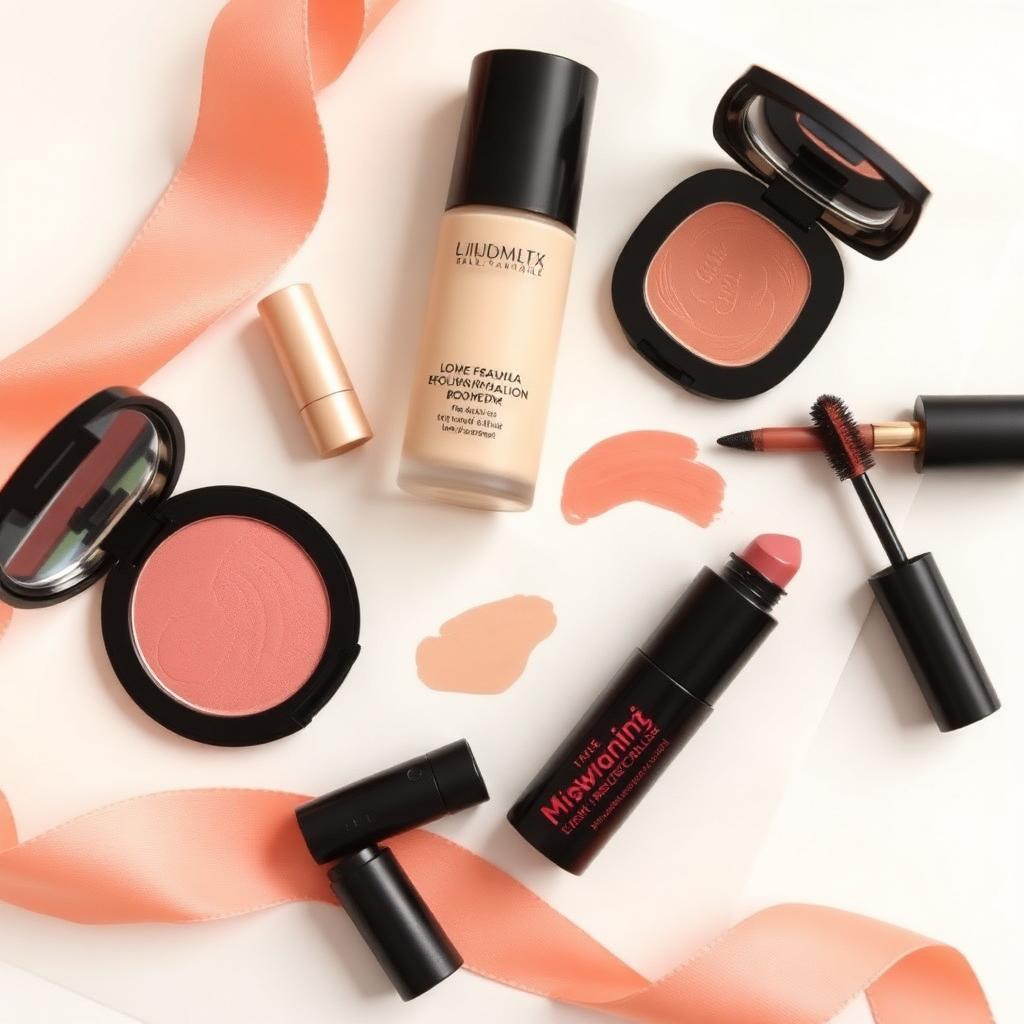
Full Face Drugstore Makeup for Medium Skin (2026 Amazon Edit)
Olive, tan, warm-neutral? This full-face drugstore routine finally solves the medium-skin problem: everything reads either too pink or too orange. Every product is on Amazon.
Editor recommends
Some links are affiliate links — they cost you nothing extra.