Signs You're in a Toxic Relationship — And What It's Doing to Your Mental Health
A soft, honest editor's guide to spotting a toxic relationship — the quiet signs, the mental health cost, and the first gentle steps back to yourself.
By Lola’s Mom · June 20, 2026 · 8 min read
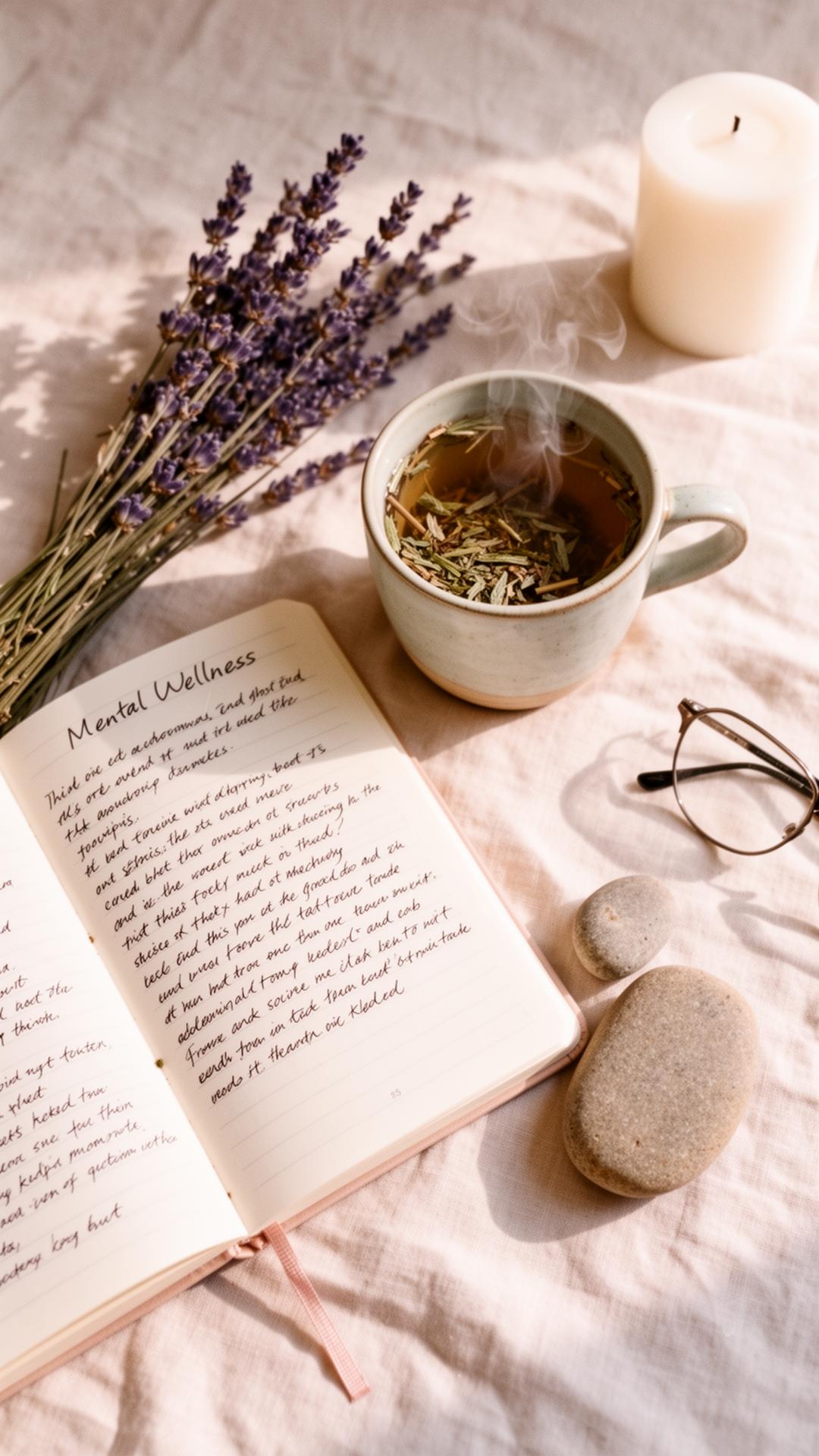
The hardest part of a toxic relationship is rarely the obvious cruelty. It's the quiet erosion — the way you start apologising for things you didn't do, second-guessing memories you know to be true, and shrinking yourself to keep the peace. By the time you notice, you've forgotten what your own baseline felt like.
This isn't a clinical guide and it isn't a verdict on anyone you love. It's a soft, honest checklist — the kind you'd want a wiser friend to sit you down with over tea. Take what resonates. Leave what doesn't. And if more than a few of these land, please read the closing note.
What "toxic" actually means
Toxicity isn't a single dramatic event — it's a pattern. Every relationship has bad days, miscommunications, and seasons of friction. A toxic dynamic is when the friction stops being situational and becomes the weather: a steady, low-grade drain on your nervous system that you've started calling normal.
10 signs to take seriously
- You rehearse conversations in your head before having them, bracing for a reaction.
- You apologise reflexively — even when you're not sure what you did wrong.
- Their mood dictates the temperature of the whole room, and yours.
- You hide small things (a coffee with a friend, a purchase, a text) to avoid a fight.
- Criticism is constant, but framed as "just being honest" or "a joke."
- You're told your memory of events is wrong — often enough that you've started to doubt it.
- Affection comes in cycles: warmth, then withdrawal, then warmth again, on their schedule.
- Your friends and family have gone quiet, or you've slowly stopped reaching out.
- You feel relief — not loneliness — when they leave the house.
- You've stopped doing the things that used to make you feel like you.
The mental health cost no one talks about
Living in a chronically unsafe emotional environment doesn't stay in the relationship. It shows up in your sleep, your appetite, your concentration, your skin. Hypervigilance — the constant low-hum of scanning for the next mood shift — is exhausting in a way rest cannot fix. Anxiety, depressive episodes, and a strange flatness where joy used to live are common, and they are not a personality flaw. They are a nervous system that has been working overtime for too long.
If you're noticing this in yourself, that noticing is the first piece of self-respect coming back. Don't rush past it.
Gaslighting, in plain language
Gaslighting is when someone repeatedly rewrites your reality until you stop trusting your own perception. It sounds like: "That never happened." "You're too sensitive." "You're remembering it wrong." "Everyone agrees with me about you." Done often enough, it works — and that's the danger. The cure starts small: write things down. Date them. A private note on your phone is enough. Your own record, in your own words, is a quiet act of returning to yourself.
Soft, practical first steps
- Re-open one friendship you've let drift. One coffee. One voice note. That's it.
- Build a five-minute morning that belongs only to you — a window, a cup of something warm, no phone.
- Keep a private journal for two weeks. Just facts and feelings, no editing.
- Find one professional in your corner — a therapist, a GP, a helpline. You do not have to be "sure" to make the call.
- Make a tiny financial cushion if you can, even £20 a week into a separate account. Options are a form of safety.
When it's time to talk to someone trained
If you've been silently carrying this for months, please consider speaking to a therapist or a confidential helpline. You don't need a diagnosis, a dramatic story, or a finished decision to deserve support. "I think something isn't right and I need to say it out loud" is reason enough.
A note from the editor
This magazine is usually about beautiful things — slow mornings, soft lighting, the lipstick that makes you feel like yourself. But the soft life is, underneath everything, a life in which your nervous system is allowed to rest. You cannot build that on a foundation that keeps shaking. If this piece found you at the right moment, take it as a small permission slip. You're allowed to want more peace than this. — Sara
Questions readers ask
Is every difficult relationship toxic?
No. Conflict, bad seasons, and hard conversations are part of any real relationship. The difference is pattern and impact: toxicity is a steady dynamic that consistently leaves you smaller, more anxious, and less like yourself — not a rough week you both repair from.
Can a toxic relationship become healthy?
Sometimes — when both people genuinely take responsibility, change behaviour over time (not just promise to), and ideally have outside support like couples therapy. Change requires the harmful person to own the harm without conditions. Without that, hoping rarely becomes healing.
How does a toxic relationship affect mental health?
Common effects include chronic anxiety, low mood, sleep and appetite changes, difficulty concentrating, a sense of emotional numbness, and physical symptoms like tension headaches or a constant knot in the chest. These are real, they're not weakness, and they ease once your environment becomes safer.
What is gaslighting?
Gaslighting is a pattern of someone denying your reality — your memories, feelings, or perceptions — until you stop trusting them. Keeping a private, dated record of events is a simple way to protect your sense of what's real.
How do I leave a toxic relationship safely?
Quietly build support first: one trusted person, a small financial cushion, important documents in a safe place, and ideally a professional (therapist or helpline) who knows your situation. If you fear for your physical safety, contact a domestic abuse helpline before announcing any decision — they help with safety planning, not just crisis.
FLEUR45
Some chapters end quietly. Others become the beginning of your rebirth.
Launching October 31, 2026
Keep reading
All posts →- Reviews
The 9 Best Lattafa Perfumes Worth the Hype (2026 Guide)
Khamrah is the gateway. But once you fall down the Lattafa rabbit hole, there are nine bottles that earn the shelf space.
- Reviews
Lattafa Khamrah Review: Is It Really the Best Dessert Perfume of the Decade?
It smells like Eid morning in a bottle. Here's what to expect — and which Khamrah variant earns the shelf space.
- Reviews

Arabic Perfume 101: A Beginner's Guide to Oud, Attars & Mukhallat
Oud, attar, mukhallat, bakhoor — a beauty editor's guide to Arabic perfume traditions, from terminology to the best entry-level bottles.
Some links are affiliate links — they cost you nothing extra.