Arabian Oud Perfume: The Buyer's Guide to the World's Most Expensive Note
What real Arabian oud costs, how to spot fake oud, and the best oud perfumes to buy — from $30 introductions to $500 dehn al oud.
By Lola’s Mom · May 3, 2026 · Updated October 2, 2026 · 8 min read
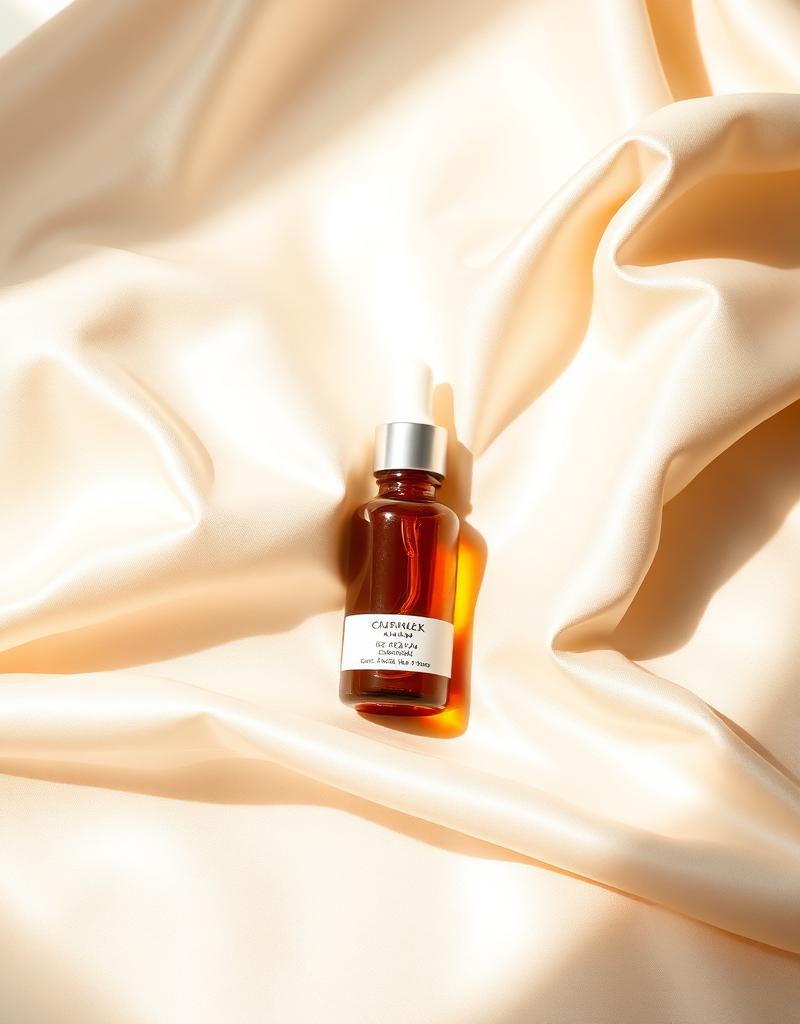
Real oud is one of the most expensive ingredients in perfumery — wild Cambodian agarwood retails at $30,000+ per kilogram. Which is why most 'oud perfumes' on the market contain very little actual oud. Here's how to navigate the category without overpaying for cedar-and-marketing.
What real oud smells like
Animalic. Barnyard. Smoky. Sweet-rotten in a way that's polarizing the first time and addictive by the fifth. Real dehn al oud is not pleasant in the way a Bath & Body Works candle is pleasant — it's pleasant in the way a great whisky is pleasant.
If your 'oud perfume' smells like a generic warm woody, it has more cedarwood than oud. Not a scam, but not oud either.
The price ranges
Under $50: oud-themed perfumes. Cedar, sandalwood, a hint of oud accord (synthetic). Lattafa Bade'e Al Oud, Swiss Arabian Shaghaf Oud, Maison Alhambra ouds. All legitimate — just understand the marketing.
$100–300: serious oud blends from Amouage, Arabian Oud, Abdul Samad Al Qurashi. Real oud meaningfully present.
$300+: dehn al oud — pure oud oil. Tiny vials. A single tola (12ml) can run $200–$2,000+ depending on origin (Indian, Cambodian, Hindi).
How to spot fake oud on Amazon
Suspicious signs: bottle marketed as 'pure oud' for under $40 (impossible), packaging in only English (real Gulf-market oud has Arabic labeling), seller with no other Arabic-perfume listings, reviews that mention 'arrived in a plastic bag'. Buy from sellers shipped and sold by Amazon directly, or from authorized resellers.
Shop this story
Amazon · affiliate linksPrices and availability change, so tap through to check today’s price on Amazon.
Maison Francis Kurkdjian
Oud Satin Mood
“Investment-tier rose-oud.”
Check price on Amazon
Affiliate link
Questions readers ask
Is oud halal?
Yes — oud itself is a tree resin and is halal. The alcohol in some oud perfumes is the question, and scholars are divided. Oil-based attars are universally considered halal.
Why is oud so expensive?
Agarwood is the resin produced only when an agar tree gets infected with a specific mold — and only some trees produce it, and only after years of infection. Most agar trees never produce usable oud. Wild oud trees are also endangered, driving prices higher.
FLEUR45
Some chapters end quietly. Others become the beginning of your rebirth.
Launching October 31, 2026
Keep reading
All posts →- Reviews
The 9 Best Lattafa Perfumes Worth the Hype (2026 Guide)
Khamrah is the gateway. But once you fall down the Lattafa rabbit hole, there are nine bottles that earn the shelf space.
- Reviews
Lattafa Khamrah Review: Is It Really the Best Dessert Perfume of the Decade?
It smells like Eid morning in a bottle. Here's what to expect — and which Khamrah variant earns the shelf space.
- Reviews
Arabic Perfume 101: A Beginner's Guide to Oud, Attars & Mukhallat
Oud, attar, mukhallat, bakhoor — a beauty editor's guide to Arabic perfume traditions, from terminology to the best entry-level bottles.
Some links are affiliate links — they cost you nothing extra.